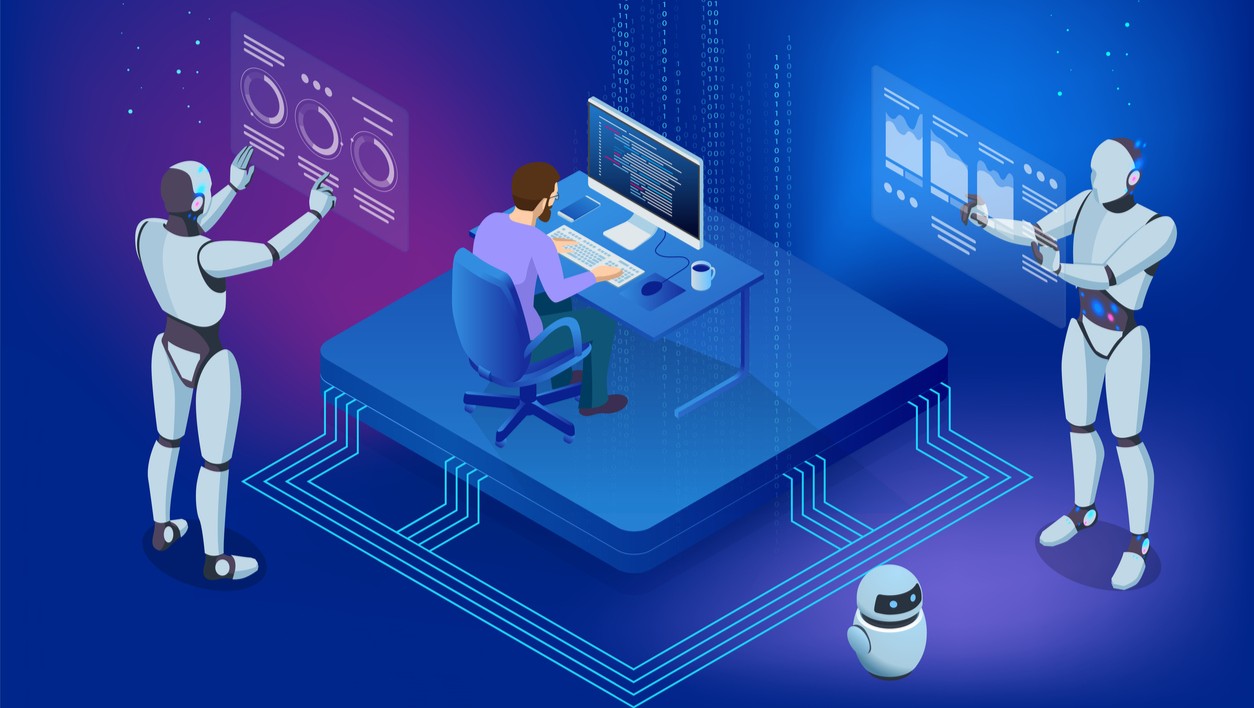
Andrej Karpathy on How AI is Changing Software: Welcome to Software 3.0
We’re at the dawn of Software 3.0 — an era where natural language is the new programming interface, and traditional coding workflows are being reimagined.
In a compelling presentation, Andrej Karpathy describes how large language models (LLMs) are reshaping the way software is created, deployed, and maintained. Instead of writing exact syntax, developers (and even non-developers) can now collaborate with AI through English — using it as an API to cloud-based intelligence.
“LLMs are becoming cloud-based operating systems. English is the API.” — Andrej Karpathy
Karpathy introduces a new way of thinking about development: “vibe coding.” This isn’t about writing perfect code. It’s about having a conversation — iteratively shaping the software experience by prompting, refining, and steering the model’s outputs. It’s fast, experimental, and surprisingly intuitive.
Key Takeaways:
-
Software 1.0 was written by hand.
-
Software 2.0 was driven by data and neural networks.
-
Software 3.0 is prompt-driven, AI-augmented, and collaborative.
-
Developers act more like orchestrators, guiding AI models rather than specifying every instruction.
Why It Matters for Cybersecurity & AI Professionals
At Symosis, we see this shift as both an opportunity and a responsibility.
-
Opportunity: Co-developing with AI accelerates innovation in threat modeling, automation, and software security reviews.
-
Responsibility: “Vibe coding” can introduce unknowns, making robust guardrails, explainability, and threat detection even more critical.
As we embrace AI-driven development, governance and secure-by-design principles must evolve in parallel. This is especially true for SaaS, cloud, and enterprise environments integrating LLMs into core workflows.
Final Thought
Karpathy’s talk is more than a technical forecast — it’s a call to rethink what it means to build software. In the era of Software 3.0, every developer is a prompt engineer, and every security team must prepare to threat model the AI layer.
Watch the full talk here: https://lnkd.in/gEqMJ6iT